
LukGraph 1/32 Grumman J2F-5 Duck
By Lukasz Boch
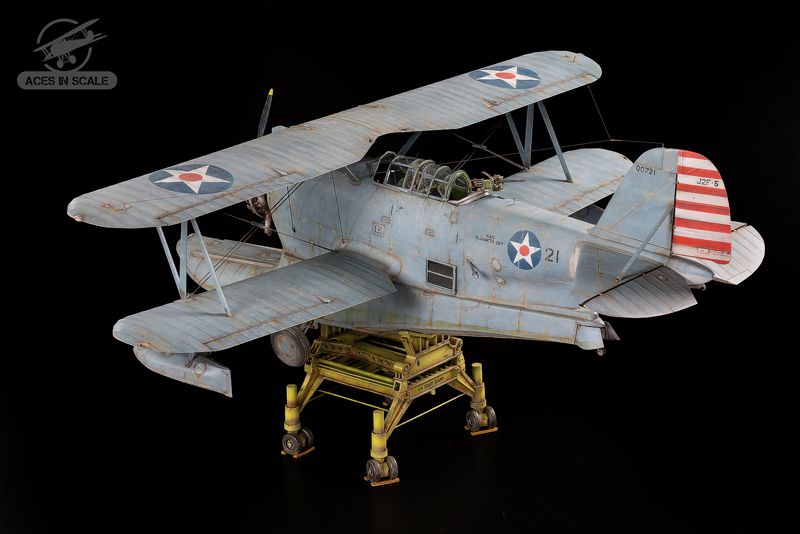
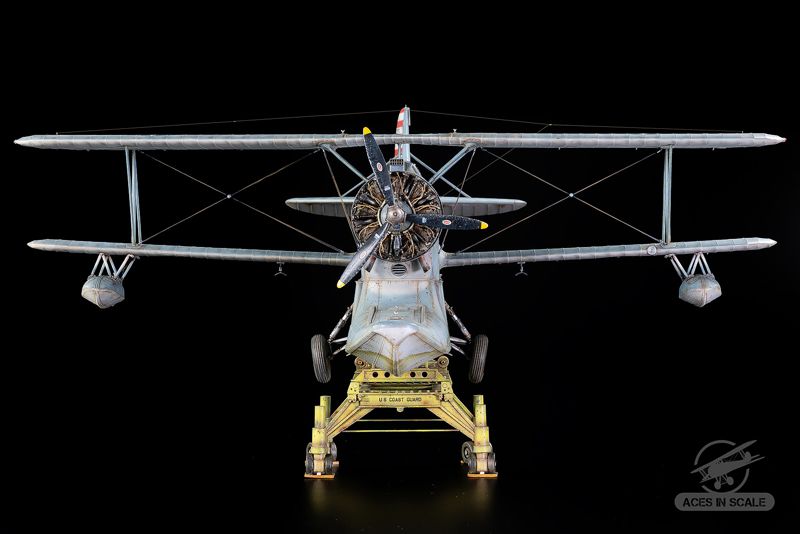
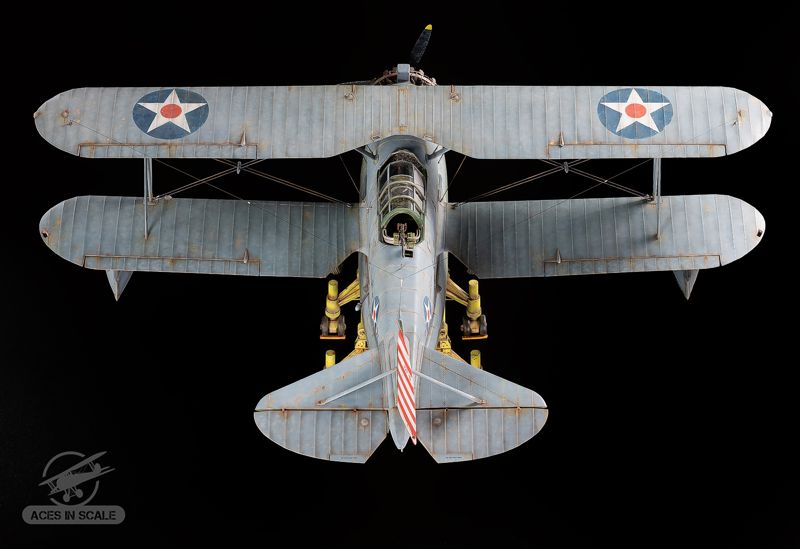
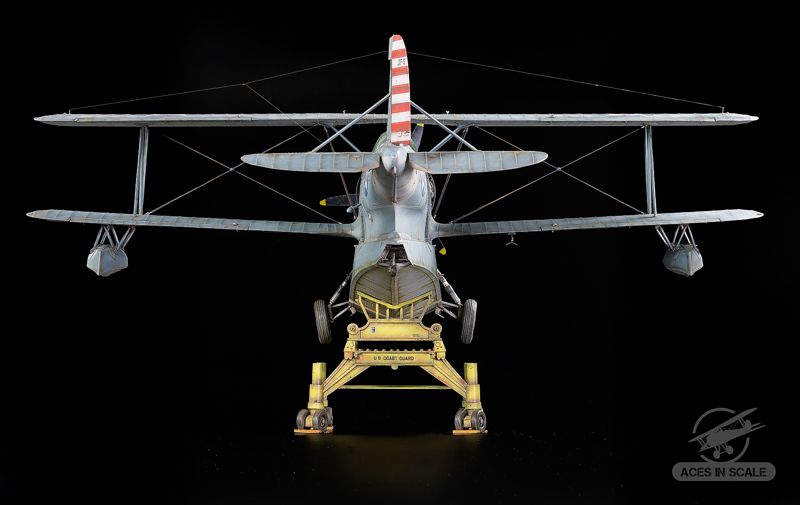
I finally closed a very important stage of this modelling journey. After 417 days of work and around 900 hours spent at the bench, I have completed the workshop build of my Grumman J2F-5 Duck.
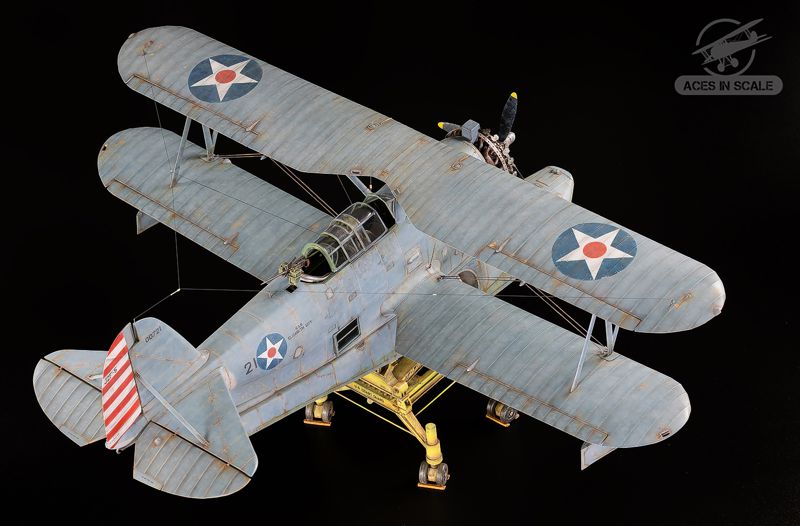
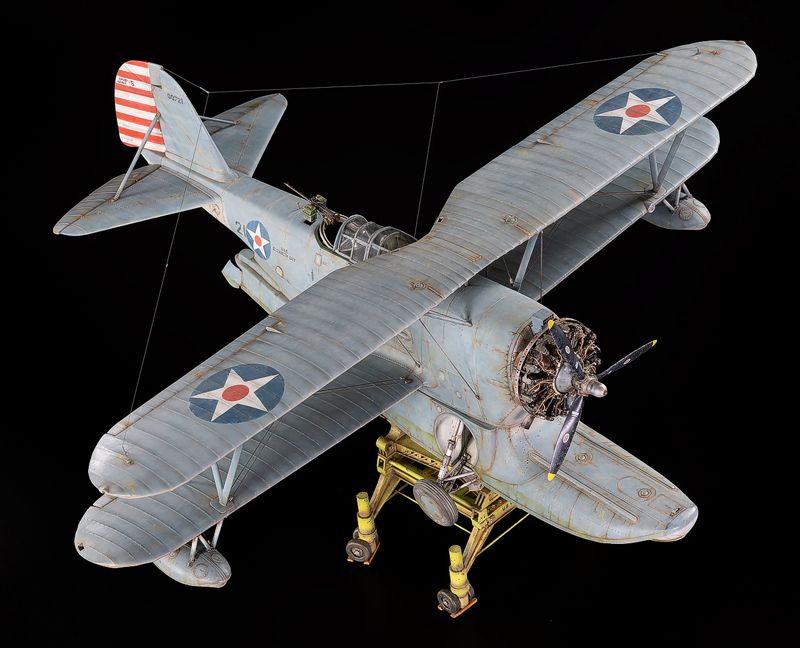
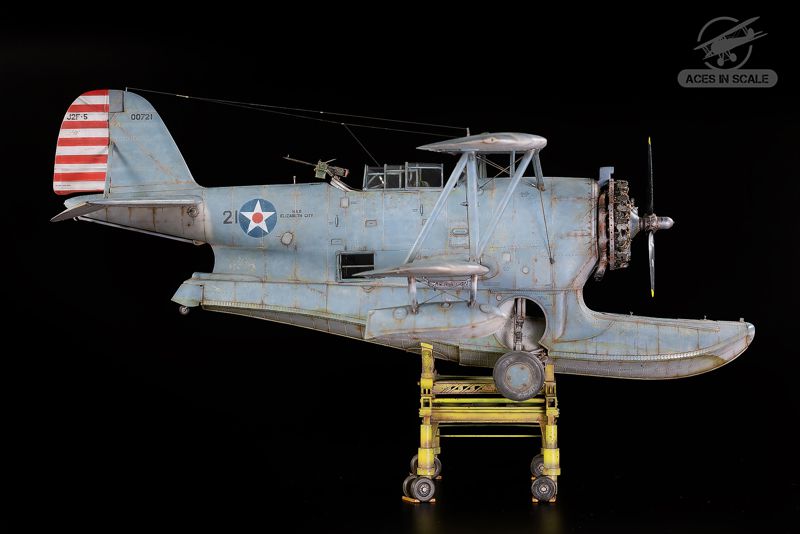
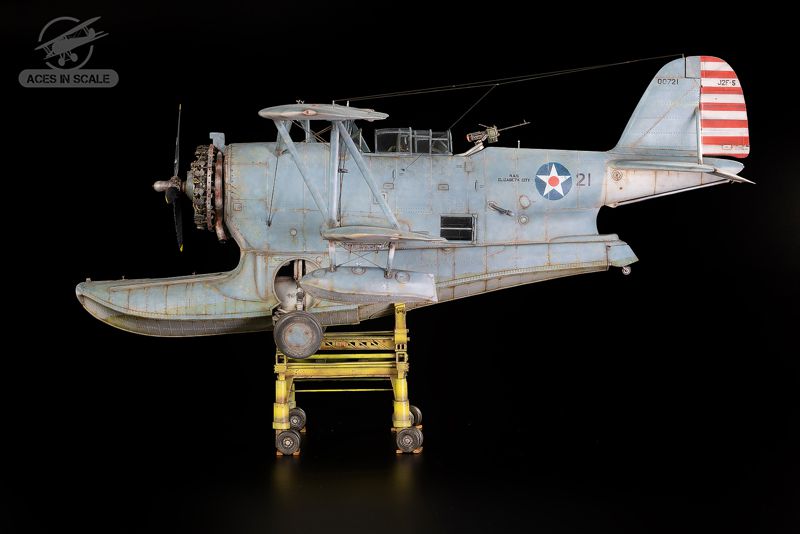
At the beginning, this was supposed to be an out-of-the-box model, finished in the markings shown on the box art. Simply another beautiful aircraft in the collection. Over time, however, this kind of build — one without a deeper story and without a stronger connection to a specific place and specific events — began to bother me more and more. On top of that, it turned out that other modellers were choosing exactly the same scheme. At that point, I decided to return to my own philosophy of model building: not only to recreate an aircraft, but to try to tell the story behind it. The choice fell on the fight against U-boats off the eastern coast of the United States and on NAS Elizabeth City.
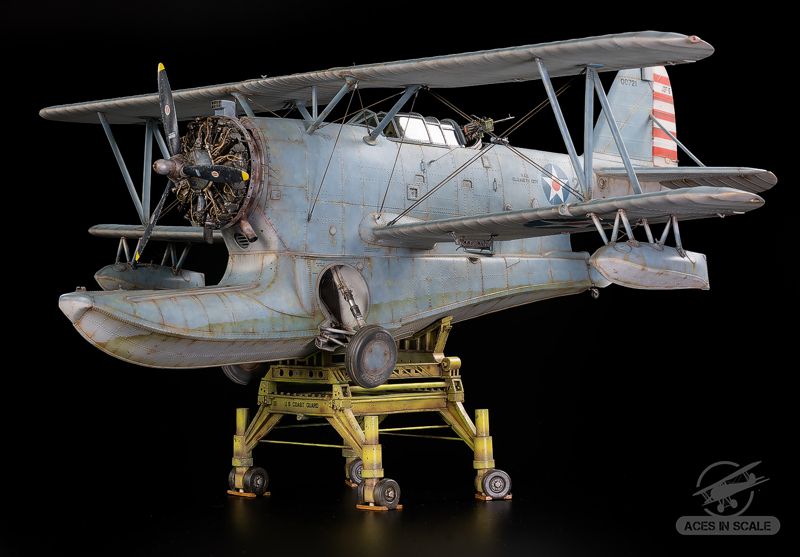
Very few photographs of the Ducks stationed at Elizabeth City have survived. In fact, apart from one poor-quality photograph taken after an emergency landing, we do not have good visual material showing these specific aircraft. More broadly, there are very few photographs of Ducks during actual combat service. Most of the known images show pre-war aircraft: clean, well-kept, carefully maintained machines photographed in conditions far removed from daily patrol service.
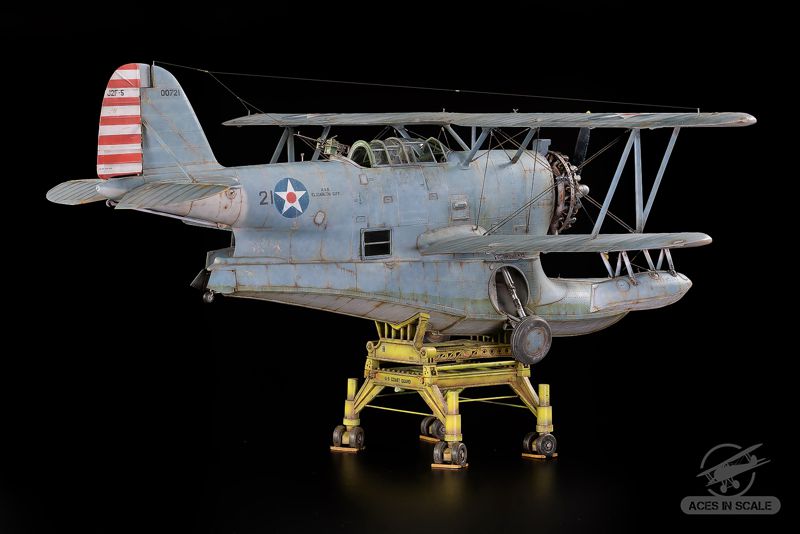
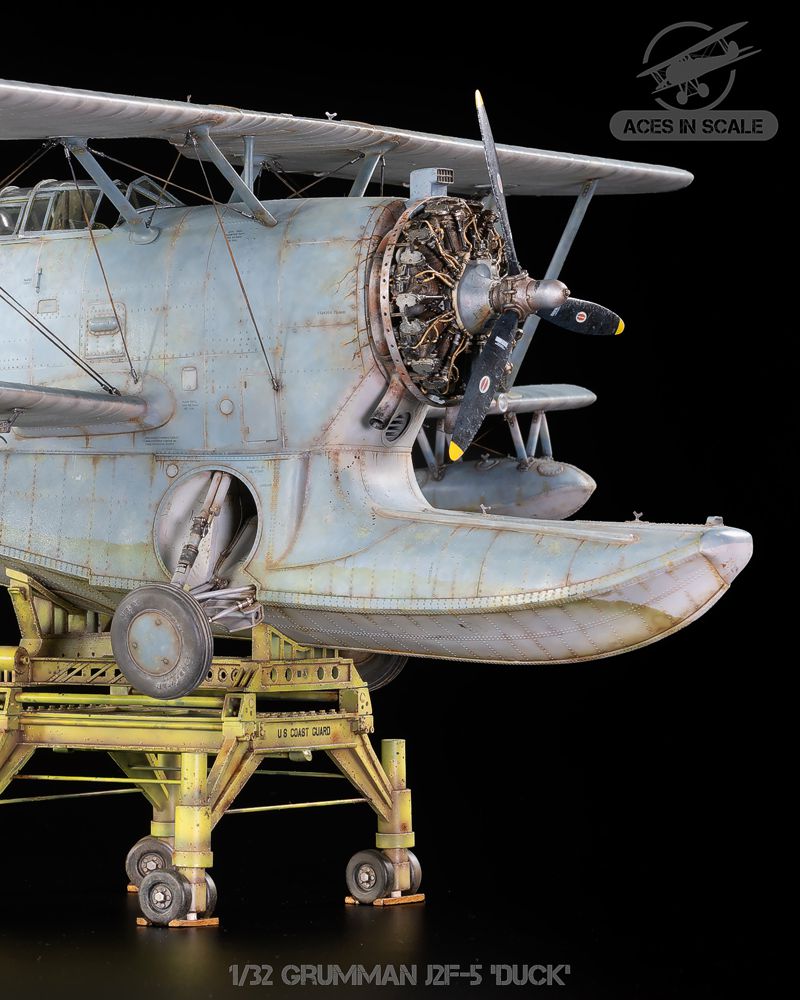
The reality of 1942 was completely different. Aircraft operating from a small air station, flying daily patrols over the ocean, exposed to salt water, wind, humidity, and often difficult weather conditions, could not have looked like aircraft from promotional photographs all the time. It is hard to imagine that after every flight they were thoroughly washed, polished, and kept in perfect condition. Rapid wear, dirt, fading, streaking, fuel and oil stains, salt deposits, and field repairs were only natural.
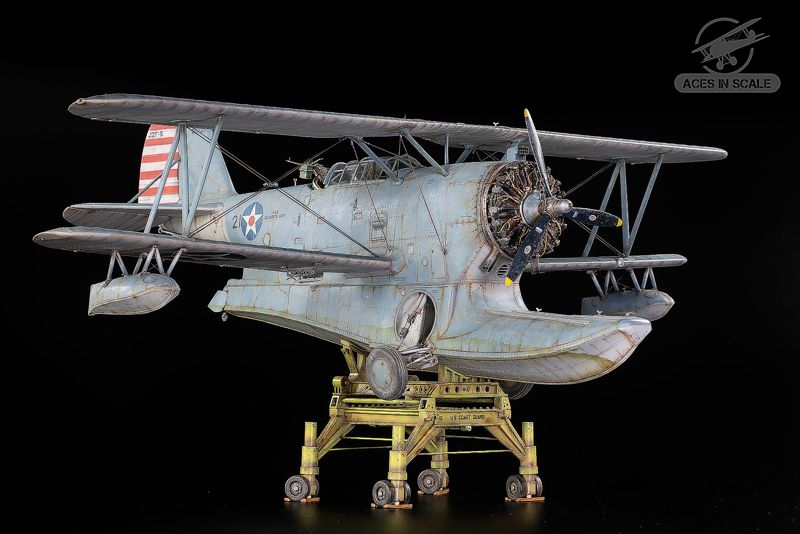
That is why my work could not be a simple recreation of one known photograph. I had to rely primarily on archival documents, reports, operational diaries, equipment returns, and the conclusions that can be carefully drawn from them.
My ongoing work in American archives played a huge role in this project. It opened up a world that had previously been almost completely unknown to me: daily reports, patrol records, rescue operations, attacks on U-boats, cooperation between aircraft, cutters, destroyers, and airships, as well as the entire administrative side of a war being fought just off the American coast. The deeper I went into these documents, the more clearly I understood that behind this rather unassuming aircraft there was a story much larger than the model itself.
The documents reveal a picture of very intense, everyday service. The Ducks from Elizabeth City were not aircraft quietly standing on the margins of the war. During the first months of 1942, they flew security patrols over the waters of North Carolina, protected shipping, investigated submarine reports, searched for survivors, maintained contact with surface vessels, and were ready to attack with depth charges. Their area of operations covered one of the most dangerous stretches of the American coastline: the approaches to Chesapeake Estuary, Cape Hatteras, Diamond Shoals, and Cape Lookout.
It was there, in the shadow of Operation Paukenschlag, that German U-boats hunted Allied shipping. Tankers and merchant ships burned so close to shore that their glow could be seen from the beaches. The American defence system was still taking shape; there was a shortage of vessels, experience, procedures, and reliable coordination. In that reality, aircraft from NAS Elizabeth City took off day after day, often in difficult conditions, carrying out patrol, rescue, and combat missions.
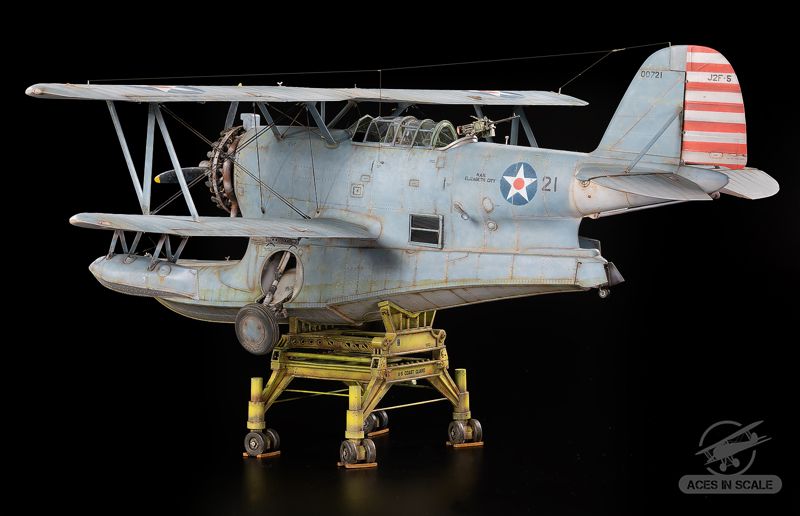
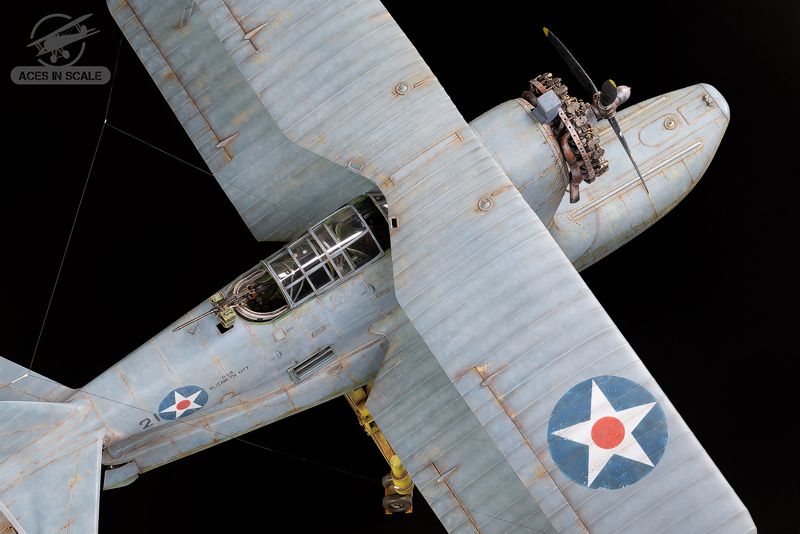
I decided to build an aircraft that I associate with the events of 14 February 1942 — the first confirmed attack by an Elizabeth City aircraft on a U-boat. On that day, Grumman J2F-5 Duck No. 21, piloted by Wilfred C. Gray, took off from NAS Elizabeth City on patrol. The aircraft was operating in the area between the entrance to Chesapeake Bay and Cape Lookout, and contact with the enemy occurred near Diamond Shoals, one of the most dangerous points on the map of American coastal shipping.
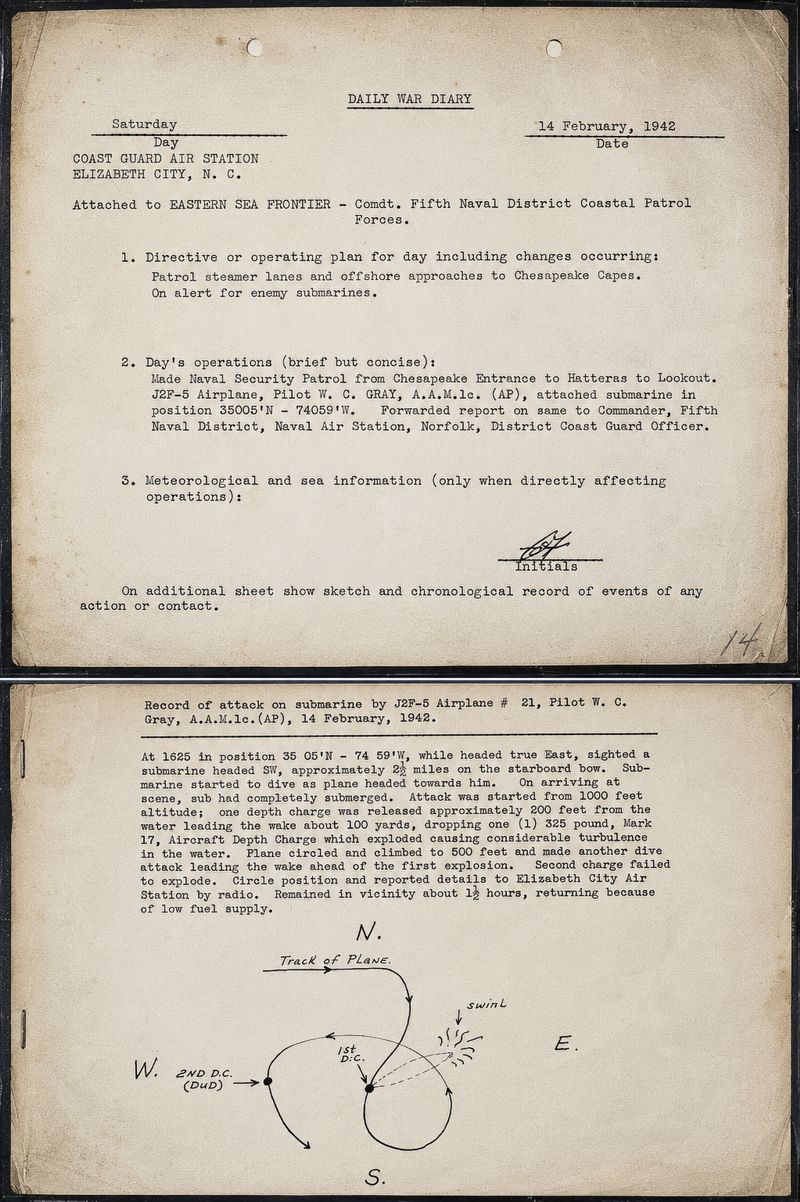
According to the station diary, the submarine was sighted at 15:25 in position 35°05’N – 74°59’W. Another record describes the location as approximately 17 miles east of the Diamond Shoals Lightship. The Duck found the U-boat on the surface and went into the attack. Gray dropped a 325-pound Mk XVII depth charge. The first bomb exploded, while the second failed to detonate. There was therefore no question of a confirmed destruction of the submarine, but the fact of the attack itself was operationally significant. An aircraft from Elizabeth City had not only detected the enemy, but had engaged it at a time when the coastal defence system was still learning how to respond to the German submarine offensive.
After the attack, Gray did not immediately leave the area. For about an hour and a half, he circled over the point of contact, observing the sea and maintaining watch for as long as his fuel allowed. The report was passed to Elizabeth City. Additional forces were directed to the area, including a PBY aircraft and the destroyer USS Ludlow. For February 1942, this was a very characteristic picture: a single patrol aircraft finds a U-boat, attacks it, reports the position, and tries to maintain contact until other units arrive.
The pilot of this aircraft, Wilfred C. “Wilco” Gray, was not an inexperienced aviator. He was born in Coldwater, Michigan. He began his flying service before the war, in 1932, with the Army Air Corps in Panama. Later, he also flew missions connected with the Alcohol Tax Unit, carrying out patrol flights at a time when combating smuggling and controlling the coastline formed an important part of the experience of federal service pilots. Gray became Coast Guard Aviator No. 100, which in itself shows that he belonged to the early generation of Coast Guard aviators.
At the end of 1940, he was assigned to Elizabeth City and remained there until February 1944. This means that he served at the base during the most important period of its wartime development: from the time before the United States entered the war, through the first months of Paukenschlag, and into the period when American anti-submarine defense became much more organized. He later continued his Coast Guard career and retired as a commander on 31 January 1963. He died on 19 October 2003 at the age of 92.
It is biographies like this that make the documents more than just dry records. Behind a brief note about an attack stands a man with years of flying behind him, service in different places, and experience gained before the war. On 14 February 1942, he was one of the pilots who found themselves on the front line of an entirely new war, fought just off the American shore.
The later service of the Ducks at Elizabeth City continued. Although NAS Elizabeth City received additional aircraft that gradually took over a large part of the patrol duties, this did not mean the end of the Ducks’ role. For the following months, they remained in full operational use as valuable, stable, long-range aircraft capable of staying in the air for extended periods and providing effective observation over the sea.
They performed almost every task that could be assigned to such a station: liaison flights, passenger flights, search missions, rescue work, patrols, and anti-submarine duties. They could protect shipping, investigate submarine reports, indicate the position of lifeboats, direct cutters, and, when necessary, land near survivors or attempt an attack with depth charges. As amphibians, they offered capabilities that ordinary patrol aircraft did not have in many situations.
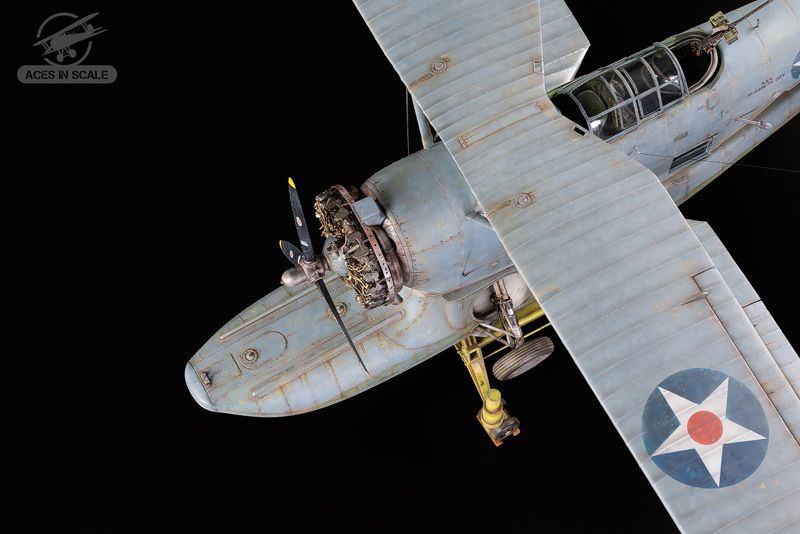
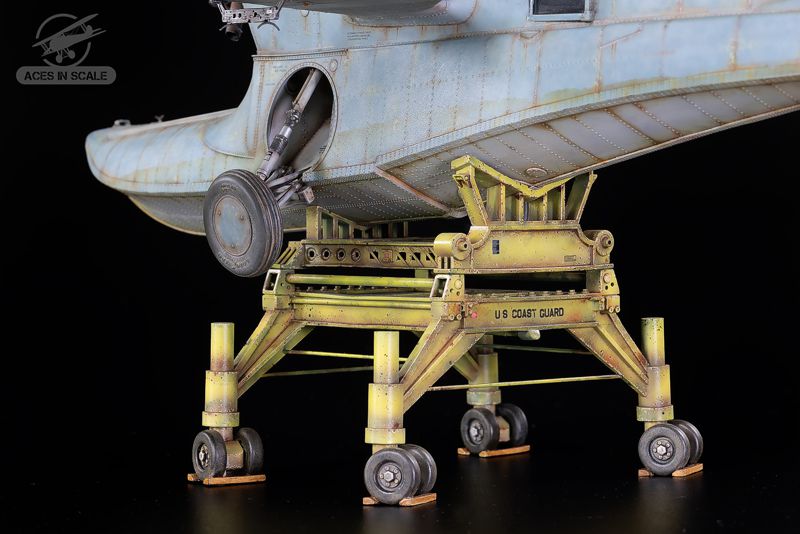
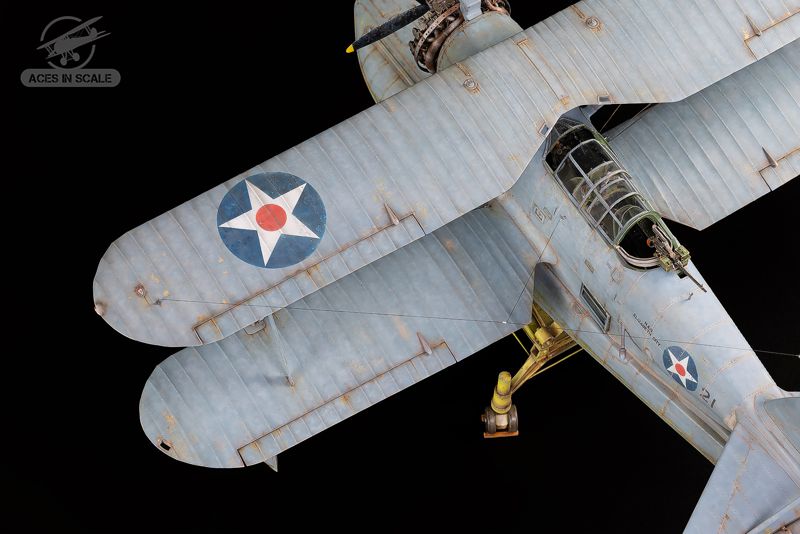
One can imagine how much wear resulted from a situation in which the three available Ducks were flying almost continuously. Every flight meant salt, humidity, wind, contact with water, sunlight, fuel, oil, mud, sand, improvised repairs, and normal wartime use. These were not aircraft kept under covers and rolled out for photographs. They were everyday working machines.
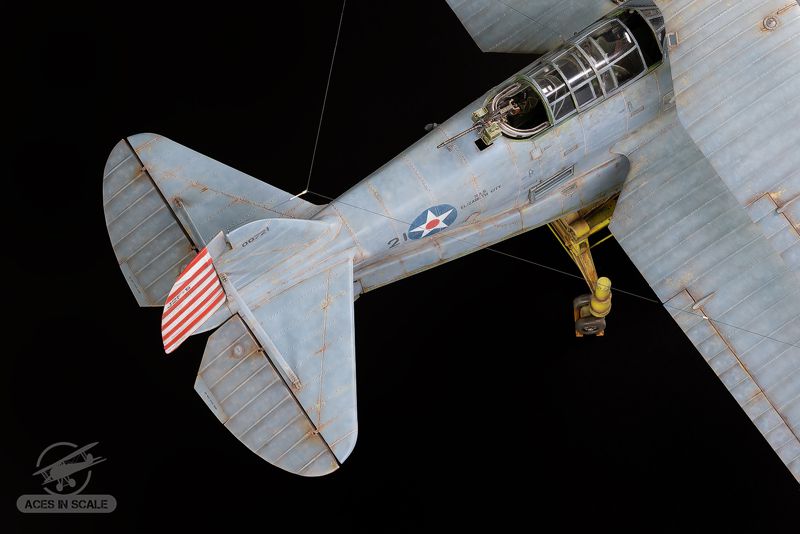
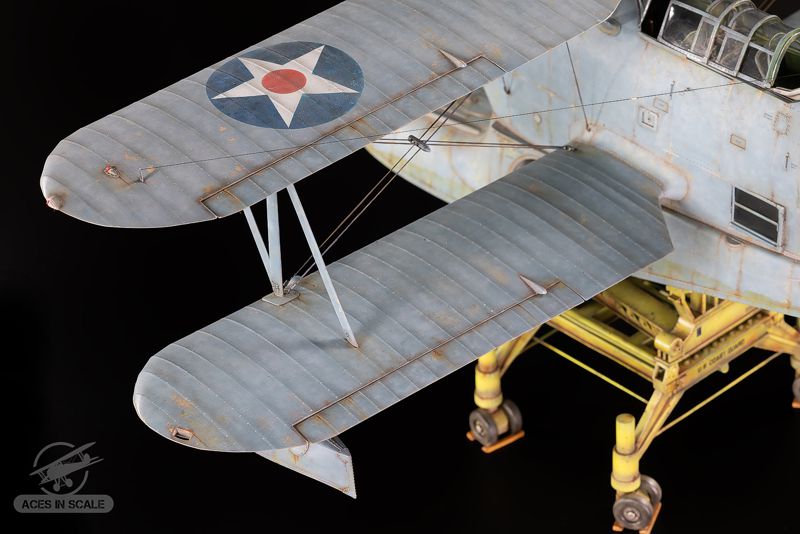
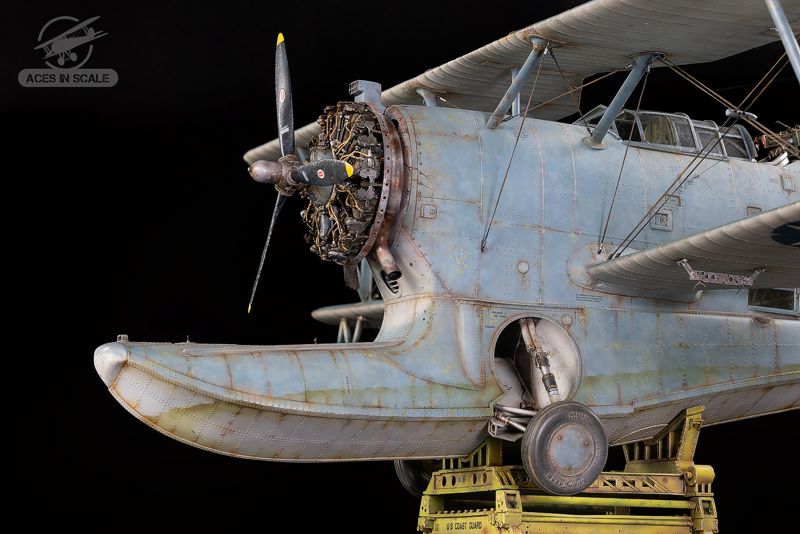
My model is therefore, in a sense, a hypothetical vision. It does not depict an aircraft recreated from a sharp, well-known photograph. It is rather an attempt to build a credible portrait of a machine that could have served at Elizabeth City in 1942 — an aircraft worn down by daily work, salt, water, sun, fuel, oil, repairs, and repeated patrols.
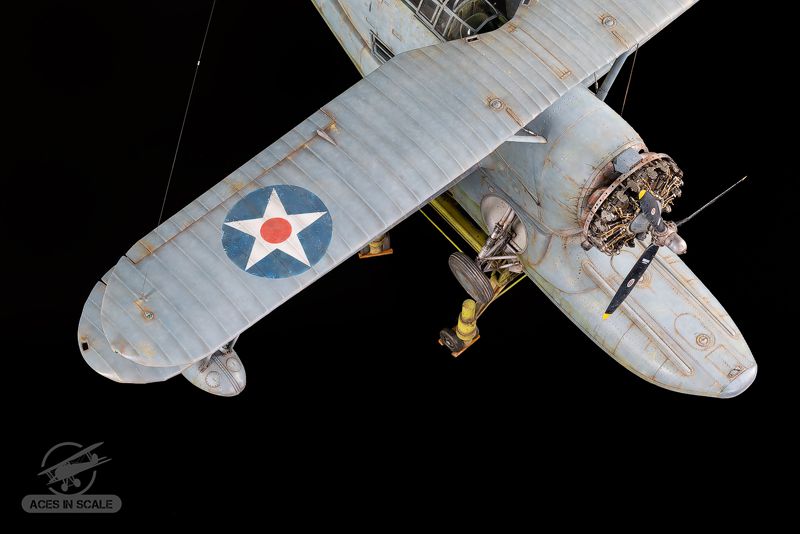
I wanted to show the Duck after the hottest phase of the German submarine offensive off the eastern coast of the United States. Tired, dirty, standing somewhere off to the side of the base. Perhaps waiting for overhaul. Perhaps for further service. Or perhaps its fate is already less certain, and someone will decide that newer aircraft will take over its duties for good. That was the moment that interested me most. Not a parade aircraft, not a factory-fresh machine, not an ideal aircraft from a brochure. I wanted to build a machine with a past, one that tells the story of everyday, unglamorous service on the margins of a great war.
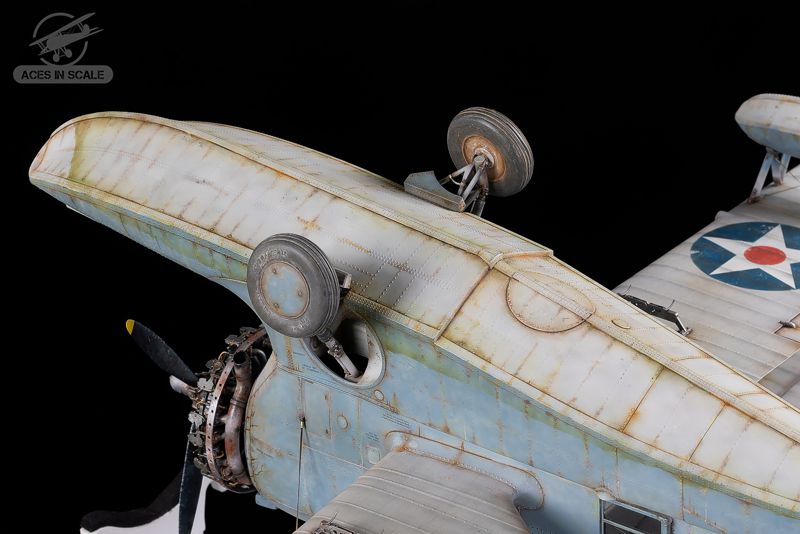
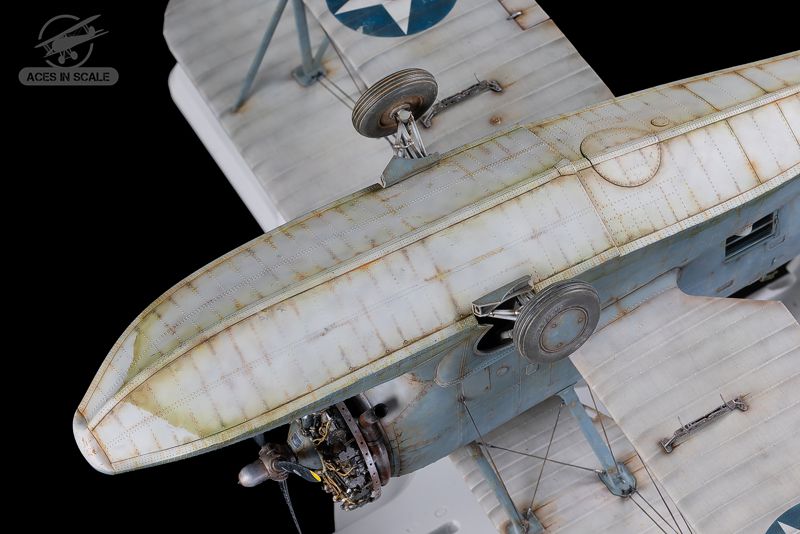
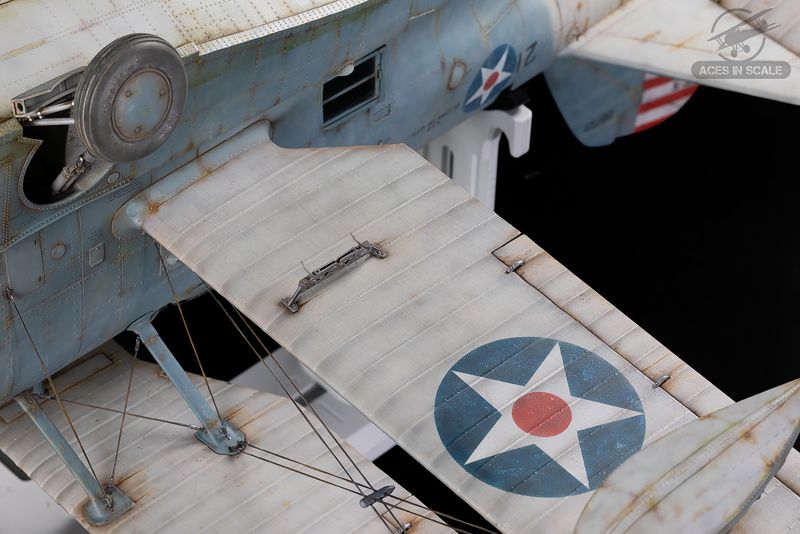
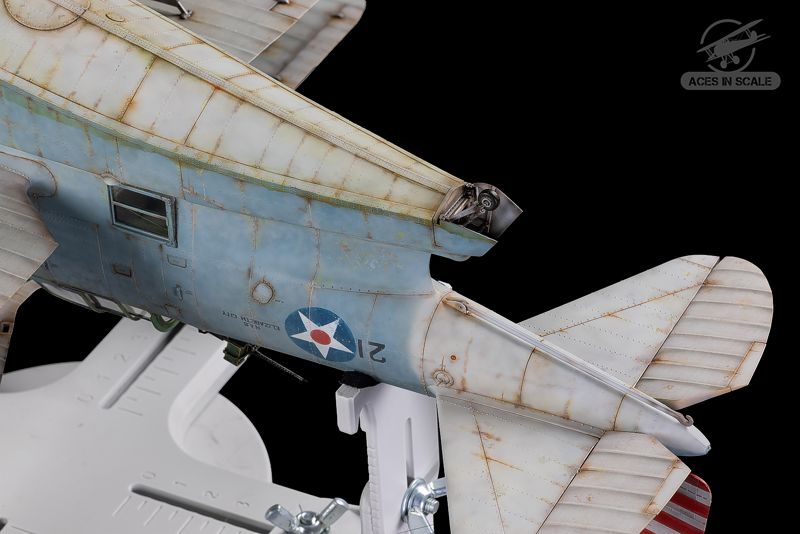
The build itself was one of the most demanding projects I have completed so far. It involved everything: correcting surfaces, riveting, working on the interior, engines, float, glazing, fabric-covered wings, painting, operational wear, rigging, antennas, lights, and dozens of small details that may seem insignificant on their own, but together create the character of the finished model.
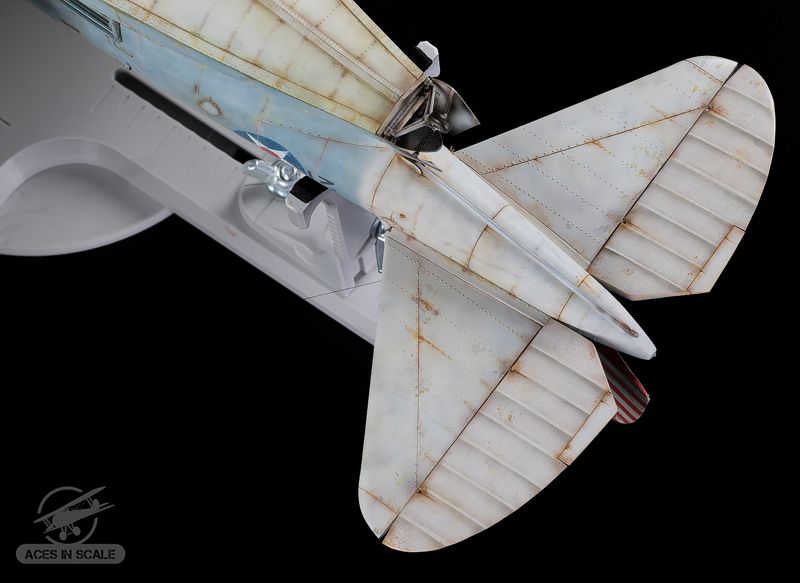
Not everything was easy. There were moments of fatigue, frustration, and doubt. There were stages I approached several times, searching for the right solution. But precisely for that reason, completing this part of the project gives me such great satisfaction. All the goals I set for myself at the beginning have been achieved.
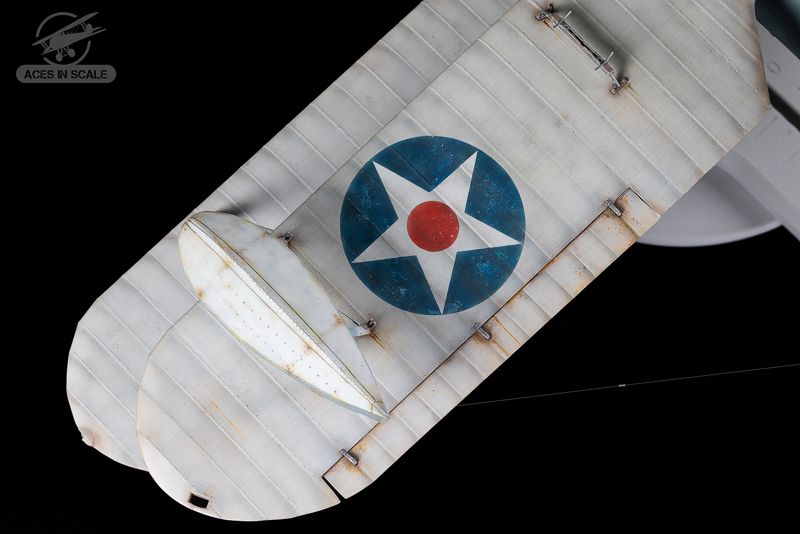
I would like to thank everyone who accompanied me during these 417 days. Thank you for your comments, messages, likes, suggestions, and support at every stage on my build thread in the Work in Progress forum.
I would like to thank Lukgraph, the designer of the model, and the entire team for their full technical support during the construction of the J2F-5 Duck. I am also grateful for the additional accessories, decals, resin parts, and engines that allowed me to bring this project to completion in this form.
I would like to thank 1ManArmy for providing the masks and stencils, which played a very important role in the markings and painted details.
I would like to thank Adam Dobranowski and Tomek Gronczewski for their substantive support regarding colours, technical solutions, and various aspects of the aircraft itself. Conversations and advice like this are extremely valuable, especially in a project where clear photographs are lacking and documents, experience, and common sense have to be carefully combined.
I would also like to thank everyone who contacted me about their relatives who served on Ducks, and who sent materials, photographs, and memories. It has been a fantastic journey, and one of those moments when modelling becomes more than working with plastic, resin, and paint. It becomes a meeting with people and their stories.
This, however, is not the end of the journey. The aircraft is ready, but the display base still lies ahead, and only that will make the model complete. For the first time in my modelling career, I will attempt to create water and a section of the waterfront at NAS Elizabeth City. The display base workshop will continue in the same thread in which the Duck was built.
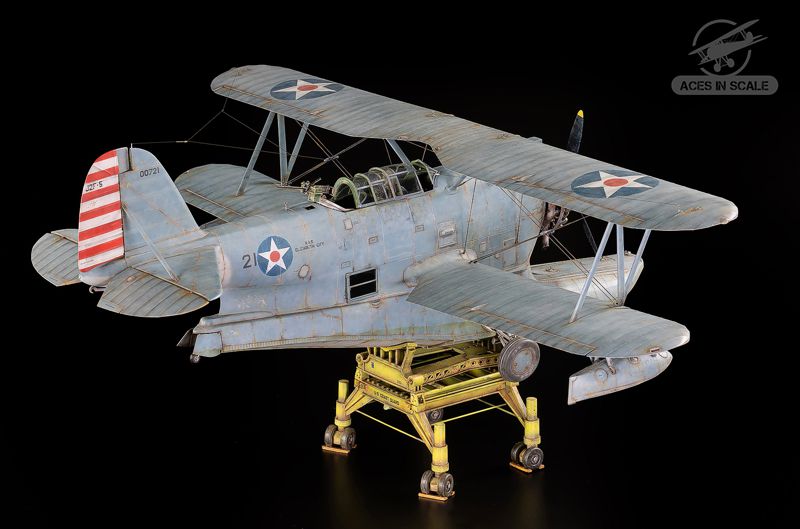
For now, I can say one thing: this Duck really gave me a hard time, but it also gave me enormous joy. And perhaps that is exactly what this is all about.
Thank you for reading about this build.
© Lukasz Boch 2026
This article was published on Friday, July 31 2026; Last modified on Sunday, August 02 2026